
Finding gluten-free and wheat-free bread can be frustrating at first, especially if bread has always been a regular part of your meals. The good news is that once you know what to look for, choosing products that fit your needs becomes much simpler.
Whether you’re shopping for sandwich bread, toast, snack plates, or easy pantry alternatives, understanding food labels is the best place to start.
Gluten-free bread and wheat-free bread are closely related, but they are not always the same thing.
Gluten is found in wheat, barley, rye, and triticale. A gluten-free product is made without those gluten-containing ingredients. Wheat-free bread, on the other hand, simply means it does not contain wheat.
As a result, a wheat-free product could still contain barley or rye, making it unsuitable for someone avoiding gluten. Likewise, some products labeled gluten-free may not be completely wheat-free. That’s why it’s important to review the ingredient list and allergen information carefully.
If you’re searching for gluten-free, wheat-free bread, you’re typically looking for a product that avoids both gluten and wheat. In that case, clear labeling and detailed ingredient information can make the process much easier.
A good gluten-free and wheat-free bread should do more than meet a dietary requirement. It should also fit the way you plan to use it.
Start with the packaging. Look for clear gluten-free and wheat-free labeling, then check the ingredient list for wheat, barley, rye, and triticale.
Next, consider texture. Some gluten-free breads are soft enough for sandwiches, while others are at their best when toasted. You’ll also find products that can be stored in the pantry and others that are sold frozen or refrigerated.
It’s also worth considering flavor, slice size, and how well the bread holds together. A loaf that’s perfect for morning toast may not be the best choice for packed lunches or sandwiches.
When comparing wheat-free bread brands, it helps to look beyond the claims on the front of the package.
The best choice depends on what matters most to you, whether that’s taste, texture, ingredients, storage requirements, or how the bread works with your favorite meals.
Helpful factors to compare include:
Finding a favorite may take a little experimentation. Bread preferences vary from person to person, and the right option is usually the one that fits naturally into your routine.
Gluten-free, wheat-free bread is typically made with different flours and starches than traditional wheat bread. These ingredients help create flavor, texture, and softness without using wheat flour.
Common ingredients include rice flour, sorghum flour, buckwheat flour, chickpea flour, corn flour, tapioca starch, potato starch, seeds, and gluten-free oats.
In addition, many products contain ingredients that help improve texture and keep the bread from crumbling. Since traditional bread relies on gluten for structure, gluten-free breads often use other ingredients to achieve a similar result.
If there are ingredients you prefer to avoid, take a moment to review the full label before purchasing.
Many people search for gluten-free bread for weight loss, but it’s important to keep expectations realistic.
Gluten-free bread does not automatically cause weight loss. Body weight is influenced by many factors, including overall eating habits, portion sizes, activity levels, and daily lifestyle choices.
For some people, choosing gluten-free products may be part of a larger change in how they eat. However, gluten-free bread can still contain calories and carbohydrates, just like traditional bread.
If weight loss is your goal, it’s generally more helpful to focus on your overall eating pattern rather than any single food. Building balanced meals and choosing foods that fit your needs can support long-term goals.
Even after finding a bread you enjoy, it can be useful to keep other gluten-free options in your pantry. Crackers and flatbreads are convenient choices when you’re looking for something crisp and versatile.
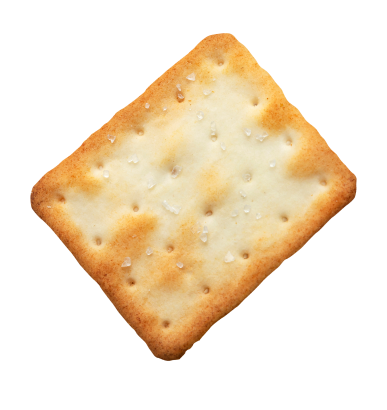
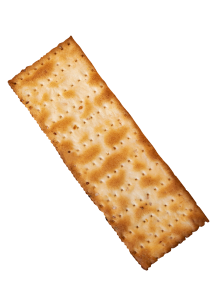
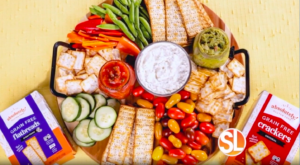
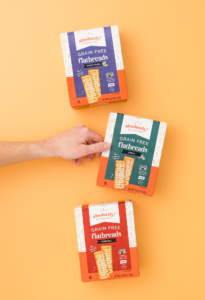
Absolutely Gluten Free offers gluten-free flatbreads and crackers that can serve as bread-style alternatives for snacks and light meals. While they aren’t sliced bread, they can play a similar role alongside dips, spreads, soups, salads, and cheese boards.
Explore our full range of products today for options such as Original Flatbreads, Everything Flatbreads, Onion Flatbreads, Original Crackers, Onion Crackers, and Cracked Pepper Crackers.
These options can be useful for:
Having a few bread alternatives on hand can make gluten-free eating feel more flexible. In addition to bread, crackers and flatbreads offer more ways to snack, share, and put together simple meals.
Texture is often one of the biggest concerns with gluten-free bread. Some loaves are soft straight from the package, while others improve significantly with a quick toast.
If your bread feels dry or crumbly, try lightly toasting it and adding toppings such as avocado, eggs, nut butter, spreads, or other favorites. Toasting can enhance both texture and flavor.
Similarly, flatbreads and crackers pair well with flavorful toppings. Hummus, cream cheese, guacamole, salsa, cheese, tuna salad, and roasted vegetables can all help create a more satisfying snack or light meal.
A little creativity goes a long way. Following a gluten-free lifestyle doesn’t mean giving up foods you enjoy. Often, it’s simply a matter of finding alternatives that fit your tastes and everyday routine.
Finding gluten-free and wheat-free bread becomes much easier once you know how to compare products and read labels. Look for clear gluten-free and wheat-free information, review the ingredients carefully, and choose options that fit the way you like to eat.
If sliced bread isn’t the right choice for every situation, consider keeping other gluten-free pantry staples on hand as well. Flatbreads and crackers can be convenient alternatives for snack boards, dips, soups, salads, and light meals.
Explore Absolutely Gluten Free products today to find flavorful flatbreads, crackers, and snacks that can help make gluten-free living feel simple, flexible, and enjoyable.


