
If you’ve ever compared grain-free vs. gluten-free snacks, you’ve probably wondered whether those two labels mean the same thing. They don’t. Understanding the difference can make it easier to choose foods that fit your lifestyle and preferences.
The key difference between grain-free and gluten-free comes down to what each one leaves out.
A gluten-free diet avoids gluten, which is found in wheat, barley, rye, and triticale. Some people choose gluten-free foods because they need to avoid gluten, while others simply prefer them.
A grain-free diet removes all grains. That includes wheat, barley, and rye, as well as grains that don’t contain gluten, such as rice, corn, quinoa, millet, buckwheat, and amaranth.
When comparing grain-free vs. gluten-free, grain-free is usually the more limiting option. Gluten-free removes gluten-containing grains, while grain-free removes all grains.
| Question | Gluten-Free | Grain-Free |
|---|---|---|
| Does it avoid gluten? | Yes | Usually, yes |
| Does it avoid all grains? | No | Yes |
| Can it include rice or corn? | Yes | No |
| Can it include quinoa or millet? | Yes | No |
| Common ingredients | Rice flour, corn flour, quinoa, certified gluten-free oats | Cassava, potato, nuts, seeds, coconut, legumes |
| Best for | Avoiding gluten | Avoiding grains altogether |
Most grain-free products don’t contain gluten-containing grains, but it’s always a good idea to check the label if avoiding gluten is important to you.
With that distinction in mind, reading the label is important. A product can be gluten-free and still contain grains. It can also be both grain-free and gluten-free. Checking the packaging helps you find the option that works best for you.
No, grain-free is not the same as gluten-free.
The confusion often comes from the fact that gluten is found in some grains, but not all grains contain gluten. Rice, corn, quinoa, buckwheat, millet, and amaranth are naturally gluten-free, which is why they often appear in gluten-free foods even though they’re still considered grains.
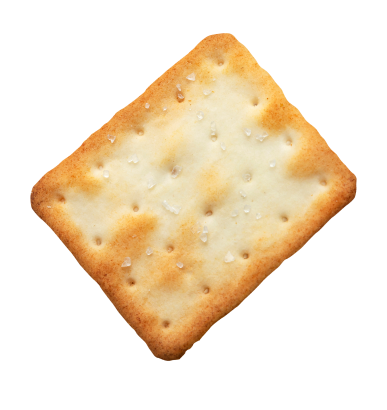
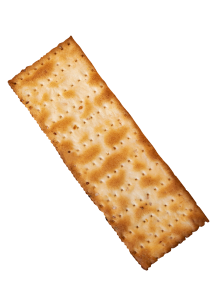
For example, a gluten-free cracker might be made with rice flour or corn flour. It can still be gluten-free, but it wouldn’t be grain-free.
A grain-free snack, on the other hand, may use ingredients like cassava, potato, almond flour, seeds, or coconut instead of grains. Because wheat, barley, rye, and triticale are all grains, grain-free foods usually avoid the main sources of gluten as well.
Yes. In fact, many gluten-free foods are not grain-free.
For instance, if a product contains rice, corn, quinoa, certified gluten-free oats, millet, buckwheat, or amaranth, it may still be gluten-free. However, it wouldn’t be grain-free because those ingredients are still grains.
That isn’t necessarily a problem. Many people who avoid gluten still enjoy gluten-free grains as part of their everyday meals and snacks. The right choice comes down to your own preferences and goals.
If gluten-free is important to you, look for products that clearly state it on the packaging and take a quick look at the ingredient list.
In most cases, yes. Because grain-free products don’t contain grains, they generally don’t include wheat, barley, rye, or triticale either.
Even so, it’s still worth checking the label. A clear gluten-free claim can make shopping easier and give you extra confidence in your choice.
Ideally, you should be able to glance at the packaging and ingredient list and quickly tell whether a product fits your needs.
When deciding between grain-free vs. gluten-free snacks, start by thinking about why you’re avoiding certain ingredients.
If your goal is simply to avoid gluten, a gluten-free snack may be all you need. These products can still contain gluten-free grains, which often help create familiar flavors and textures.
If you prefer to avoid grains entirely, look for grain-free snacks made with ingredients such as potatoes, cassava, nuts, seeds, coconut, or legumes. These alternatives can deliver great flavor and crunch without relying on grains.
Beyond ingredients, taste and convenience matter, too. The best snack is one that fits your preferences and is genuinely enjoyable to eat. Clear labeling, ingredients you recognize, and flavors you love can make the decision much easier.
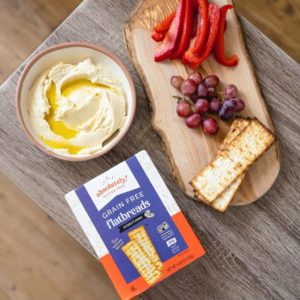
Absolutely Gluten Free offers a variety of snacks for people looking for gluten-free options without giving up great taste. Whether you’re packing a lunch, putting together a snack board, or grabbing something crunchy between meals, clear labeling can help take the guesswork out of choosing the right snack.
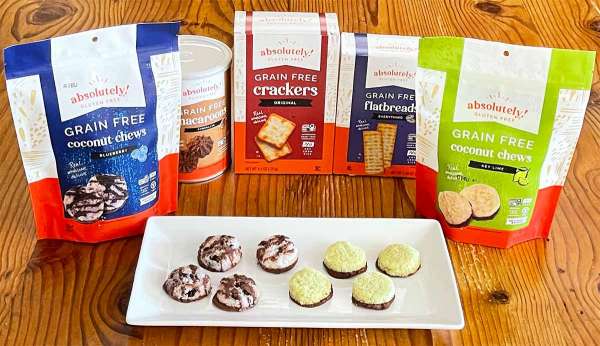
Once you understand the definitions, the difference between grain-free and gluten-free is pretty simple. Gluten-free means avoiding gluten. Grain-free means avoiding all grains, including those that are naturally gluten-free.
So, if you’ve ever asked, “Is grain-free the same as gluten-free?” the answer is no. Still, both labels can be helpful when you understand what they mean and how they fit your food choices.
Explore Absolutely Gluten Free products to find flavorful snack options that can help make gluten-free living simple and enjoyable.
No. Gluten-free foods can include grains such as rice, corn, quinoa, millet, buckwheat, amaranth, and certified gluten-free oats.
Usually, grain-free products avoid the main gluten-containing grains because wheat, barley, rye, and triticale are grains. However, it’s always a good idea to check the label if gluten-free is important to you.
Neither is automatically better for everyone. Gluten-free works for people who want to avoid gluten, while grain-free may appeal to those who prefer to avoid grains altogether. The best option depends on your preferences and lifestyle.


