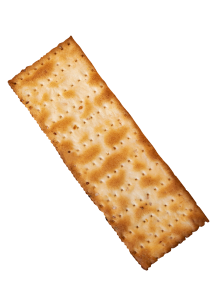
Is flatbread gluten-free? Most of the time, no. Traditional flatbread is usually made with wheat flour, which naturally contains gluten. The good news is that gluten-free flatbread is easy to find these days—you just need to know what to look for on the label instead of assuming all flatbread is the same.
Want a simple option without making flatbread from scratch? We’ve got you! Grab one of our Flatbreads below.
|
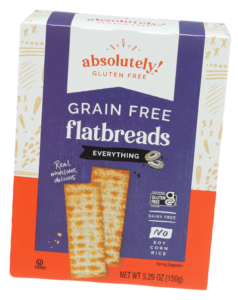
Everything Flatbreads
|
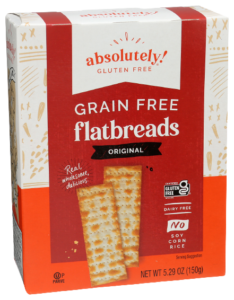
Original Flatbreads
|
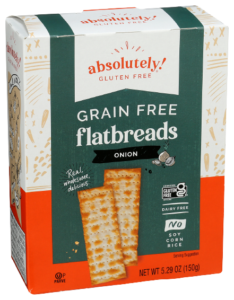
Onion Flatbreads
|
In many cases, yes. Flatbread isn’t one specific recipe—it’s more of a category. For example, traditional styles like pita, naan, lavash, and flour tortillas are typically made with wheat flour, so they usually contain gluten.
That said, some flatbreads are made with ingredients like corn, rice, chickpea flour, or other gluten-free grains and starches. Even so, ingredients alone don’t tell the full story. Packaged products should still be checked for a clear gluten-free label and an up-to-date ingredient list.
Here’s a quick breakdown:
| Flatbread Type | Usually Contains Gluten | What to Check |
| Pita | Usually | Traditional versions commonly use wheat flour |
| Naan | Usually | Wheat flour is typically a main ingredient |
| Lavash | Usually | Most traditional versions are wheat-based |
| Flour tortillas | Usually | Generally made with wheat flour |
| Corn tortillas | Not necessarily | Look for a gluten-free label |
| Gluten-free flatbread | No | Check for a gluten-free claim and ingredients |
In fact, the Celiac Disease Foundation also notes that wheat-based breads like pita, naan, and similar baked goods are common sources of gluten.
The easiest way to choose gluten-free flatbread is to start with the packaging.
First, look for a clear “gluten-free” label. In the United States, the U.S. Food and Drug Administration requires foods using this claim to meet strict standards, including containing less than 20 parts per million of gluten.
Next, take a quick look at the ingredient list and allergen statement. Wheat is the most obvious ingredient to avoid, but barley and rye are also sources of gluten.
It’s also important to remember that “wheat-free” and “gluten-free” are not the same thing. A product can be wheat-free and still contain other sources of gluten, which is why the gluten-free label is the most reliable guide.
Some products also carry third-party gluten-free certifications, which can offer extra reassurance, but they aren’t required under FDA rules.
A lot of search results for gluten-free flatbread are homemade recipes—but you don’t always need to start from scratch.
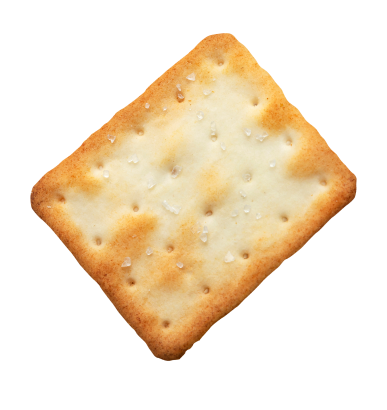
Instead, Absolutely Gluten Free offers crisp Flatbreads that are ready to enjoy right out of the package. Current varieties include:
They’re made for easy snacking, dipping, sharing, and building snack boards.
Looking for gluten-free Flatbread? Explore our full range, check availability in stores near you, or browse our FAQs for more information today!
Explore Flatbreads | Find Us Near You | Read Our FAQs
One of the best things about crisp flatbread is how flexible it is. You can keep it simple or turn it into something a little more fun, depending on what you’re in the mood for.
Try pairing your flatbread with:
Need more ideas? You can also explore our gluten-free recipes for easy inspiration, entertaining ideas, and simple ways to enjoy Absolutely Gluten Free products.
Not necessarily. Gluten-free and lower-carb are two different things. Removing gluten doesn’t automatically mean a flatbread will have fewer carbohydrates.
Instead, carb content depends on the ingredients, portion size, thickness, and style of flatbread.
If you’re comparing options, take a look at our full guide to carbs in flatbread for a closer breakdown of how different types compare.
Most traditional flatbreads do contain gluten because they’re made with wheat flour. That includes many versions of pita, naan, lavash, and flour tortillas. Gluten-free options do exist, so it’s always important to check for a clear gluten-free label and review the ingredient list.
In the U.S., foods labeled “gluten-free” must meet FDA requirements for gluten content. If you have celiac disease or are highly sensitive to gluten, always check packaging carefully and follow guidance from your healthcare professional.
You can use the store locator to find Flatbreads near you. Since availability varies by location, checking ahead is the easiest way to see what’s available.